Best Resume Formats for 2026: Chronological vs. Functional vs. Hybrid
The content of your resume matters, but the structure is what gets it read. If a recruiter cannot find your job titles or dates in the first 7 seconds, they will move on.
In 2026, there are three main resume formats: Reverse-Chronological, Functional, and Hybrid. But which one is right for you? And more importantly, which one will the ATS software actually be able to read?
This guide breaks down the pros and cons of each format based on recruiter insights and shows you how to build them instantly using ResumeTailorApp.
1. The Reverse-Chronological Format (The Gold Standard)
This is the most common format. It lists your work experience from newest to oldest.
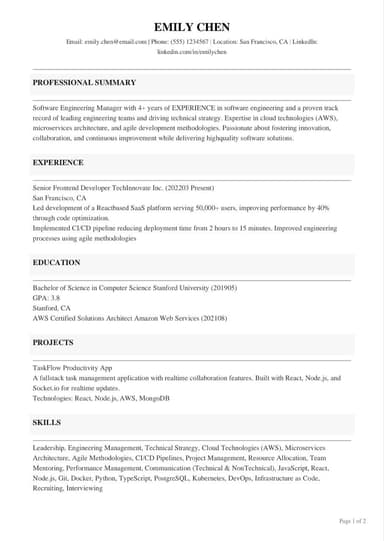
- Structure: Contact Info → Summary → Experience (Newest First) → Education → Skills.
- Best For: Professionals with a steady career history and no major gaps.
- Recruiter Verdict: ❤️ Loved. Recruiters prefer this because it tells a clear linear story of your growth.
- ATS Verdict: ✅ Safe. It is the easiest format for robots to parse.
How to build it: This is the default setting in our Resume Builder. Just enter your jobs, and we stack them perfectly.
2. The Functional Format (The "Risky" One)
This format focuses on skills rather than history. It groups achievements into categories like "Leadership" or "Technical Skills" and puts work history at the very bottom with no dates.
- Best For: People trying to hide massive employment gaps or drastic career changers.
- Recruiter Verdict: 🚩 Red Flag. According to hiring experts like Olga (Google Recruiting Lead), recruiters get suspicious when they can't see when you did the work. They assume you are hiding something.
- ATS Verdict: ❌ Risky. Many older ATS systems fail to read Functional resumes correctly.
Our Advice: Avoid this format unless absolutely necessary. Use the Hybrid format instead.
3. The Hybrid / Combination Format (The 2026 Winner)
This format is the best of both worlds. It starts with a robust "Skills" or "Core Competencies" section (for the ATS) but follows it with a standard Reverse-Chronological work history (for the recruiter).
- Structure: Contact → Summary → Key Skills (Hard & Soft) → Experience → Education.
- Best For: Career changers, students, and professionals with gaps. It highlights your transferable skills first.
- Recruiter Verdict: ✅ Approved. It highlights your value immediately without hiding your timeline.
- ATS Verdict: ✅ Excellent. Putting keywords at the top helps your ranking score.
How to Choose the Right Format for You
| Your Situation | Recommended Format | Why? |
|---|---|---|
| Steady career, climbing the ladder | Chronological | Shows clear progression and loyalty. |
| Student / Recent Grad | Hybrid | Highlights education/skills over lack of experience. |
| Career Changer | Hybrid | Shows transferable skills before unrelated job titles. |
| Employment Gaps | Hybrid | Focuses on skills first, making gaps less visible. |
Formatting Tips from Google Recruiters
Regardless of the format you choose, keep these rules in mind:
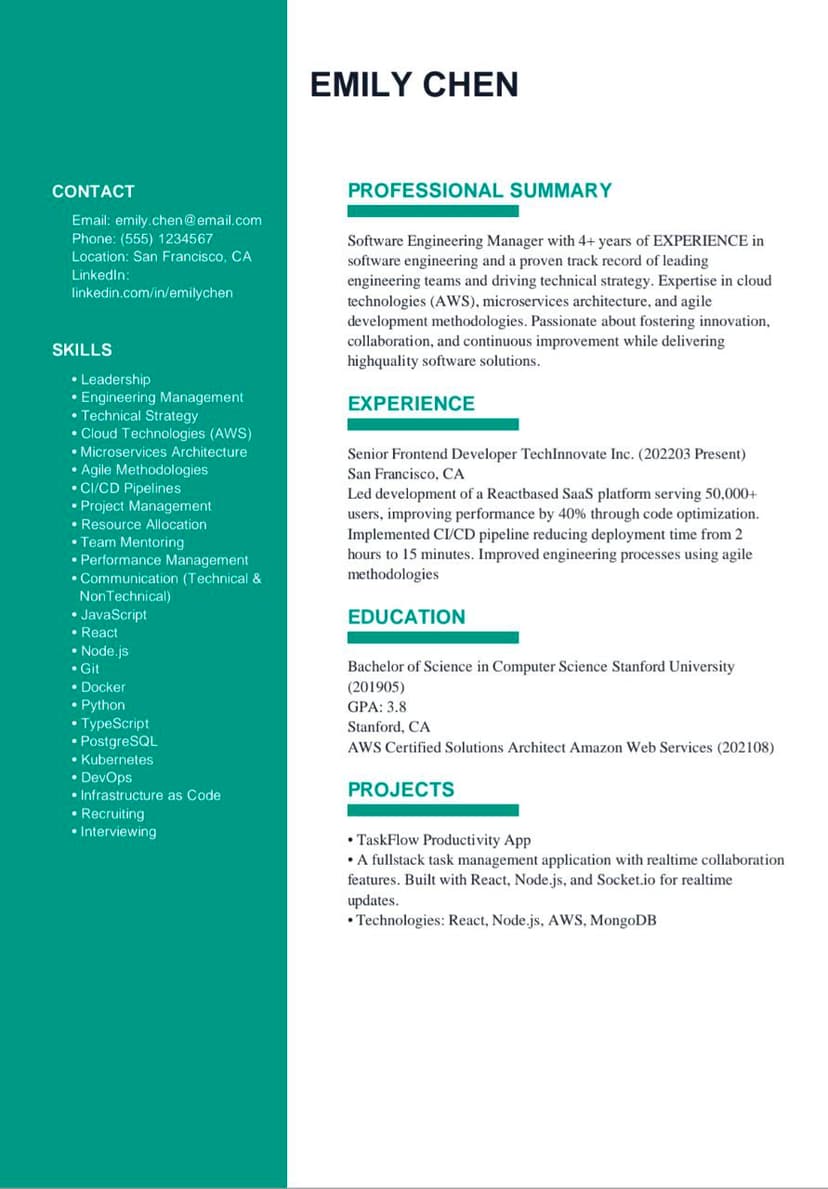
- Keep it Standard: Don't use "creative" layouts with two columns or graphs. ATS systems hate them.
- Section Headers Matter: Use standard headers like "Experience" and "Education." Don't get cute with "My Journey."
- One Page Rule: Unless you have 10+ years of experience, keep it to one page.
Don't Waste Time Formatting Manually
Fighting with margins in Microsoft Word is a waste of time. With ResumeTailorApp, you don't need to choose a format before you start.
You simply enter your data once. Then, with a single click, you can swap between Chronological and Modern Hybrid templates to see what looks best.
🚀 Test Different Formats Instantly
Upload your resume once and instantly preview it in Chronological, Modern, and Hybrid formats. Download the one that makes you look best.
Final Thoughts
In 2026, the Hybrid Format is often the safest bet for modern job seekers. It gives the ATS the keywords it needs (at the top) and gives the recruiter the timeline they trust (at the bottom).
Published on: 2026 | Reading time: 7 minutes