Career Change Resume Guide 2026: How to Pivot to a New Industry with AI
Switching careers is terrifying. You know you can do the job, but on paper, you look "unqualified."
Recruiters often toss resumes that don't match the industry immediately. If you are applying for a Project Manager role but your resume says "High School Teacher" five times, the ATS might reject you before a human even sees it.
The secret to a successful career pivot in 2026 isn't to hide your past—it's to translate it. This guide shows you how to use the "Hybrid Format" and ResumeTailorApp to speak the language of your new industry.
The Golden Rule: Recruiters Won't Connect the Dots
Olga, a Recruiting Lead at Google, says: "Recruiters are busy. If I have to squint to see how your experience as a Barista applies to Sales, I won't do it. You have to connect the dots for me."
You need to rewrite your history using the keywords of your future job, not your past job.
The "Translation" Technique (Examples)
| Old Role | Old Bullet Point (Wrong) | New "Translated" Bullet Point (Right) |
|---|---|---|
| Teacher → Corporate Trainer | "Taught 30 students daily." | "Designed and facilitated daily educational workshops for diverse groups, adapting curriculum to meet learning objectives." |
| Server → Sales Rep | "Took orders and served food." | "Managed high-volume customer accounts in a fast-paced environment, upselling products to increase average ticket value by 15%." |
| Nurse → HR Manager | "Cared for patients." | "Managed confidential client records and resolved high-stress conflicts using empathy and conflict resolution protocols." |
Step 1: Use the "Hybrid" Format
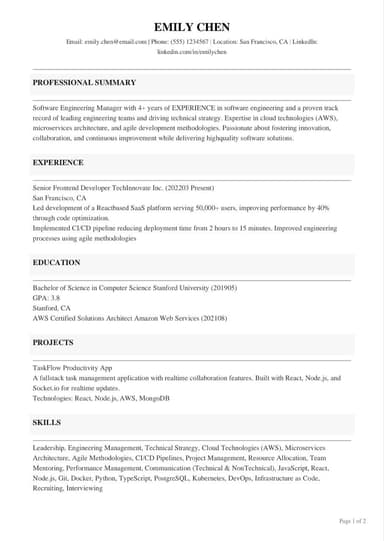
Do not use a standard chronological resume. It highlights when you worked, not what you can do.
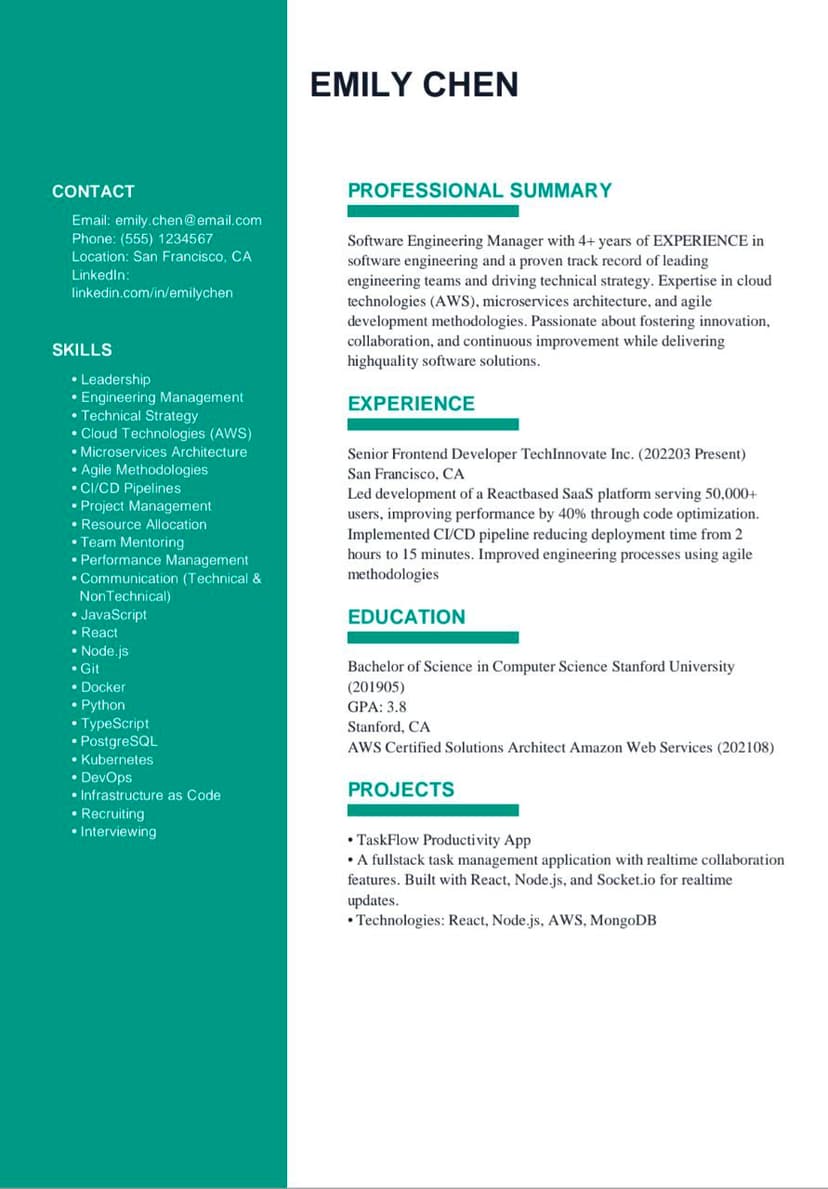
Instead, use the Hybrid Format (available in ResumeTailorApp). This places a massive "Core Competencies" or "Skills" section at the very top.
This tricks the recruiter into seeing your relevant skills first, before they scroll down to see your unrelated job titles.
Step 2: Rewrite Your Summary as a "Bridge"
Your summary is the only place you can explain why you are switching. Use it to build a bridge between your past and future.
Formula: [Current Role] pivoting to [New Role] with expertise in [Transferable Skill 1] and [Transferable Skill 2].
Example: "Experienced Journalist transitioning into Content Marketing. Leveraging 5 years of storytelling and deadline management to drive brand engagement and SEO growth."
Step 3: Use AI to "Translate" Your Bullet Points
Rewriting your entire history is mentally exhausting. Use our AI Tailor Tool to do it instantly.
- Upload your "Old" Resume.
- Paste the "New" Job Description.
- Click "Tailor perfect Application".
Our AI analyzes the keywords in the new job (e.g., "Stakeholder Management") and finds where you did that in your old job, automatically rewriting your bullet points to match the new industry language.
Step 4: Highlight Projects & Certifications
If you don't have work experience in the new field, you must show Projects. (Read our guide on How to List Projects).
Did you take a Google Certificate? Did you build a portfolio? Listing these prominently proves you are serious about the switch, not just browsing.
🚀 Translate Your Resume Instantly
Don't let "Imposter Syndrome" stop you. Paste your resume into ResumeTailorApp and let our AI rewrite your experience to match your dream career path.
Final Thoughts
You are not starting from scratch; you are starting from experience. The skills are there—you just need the right words to show them. Use the Hybrid format and AI optimization to prove to recruiters that you are ready for the challenge.
Published on: 2026 | Reading time: 7 minutes